Wood Framing Mold Removal (Joists, Studs, Rafters) in Farmingdale, NJ
Mold removed from affected wood framing in your Farmingdale property, with sound lumber cleaned and dried. Call 24/7 to start your assessment and define the cleanup scope.
- Joists, studs and rafters
- Containment and HEPA filtration
- Moisture readings before repairs
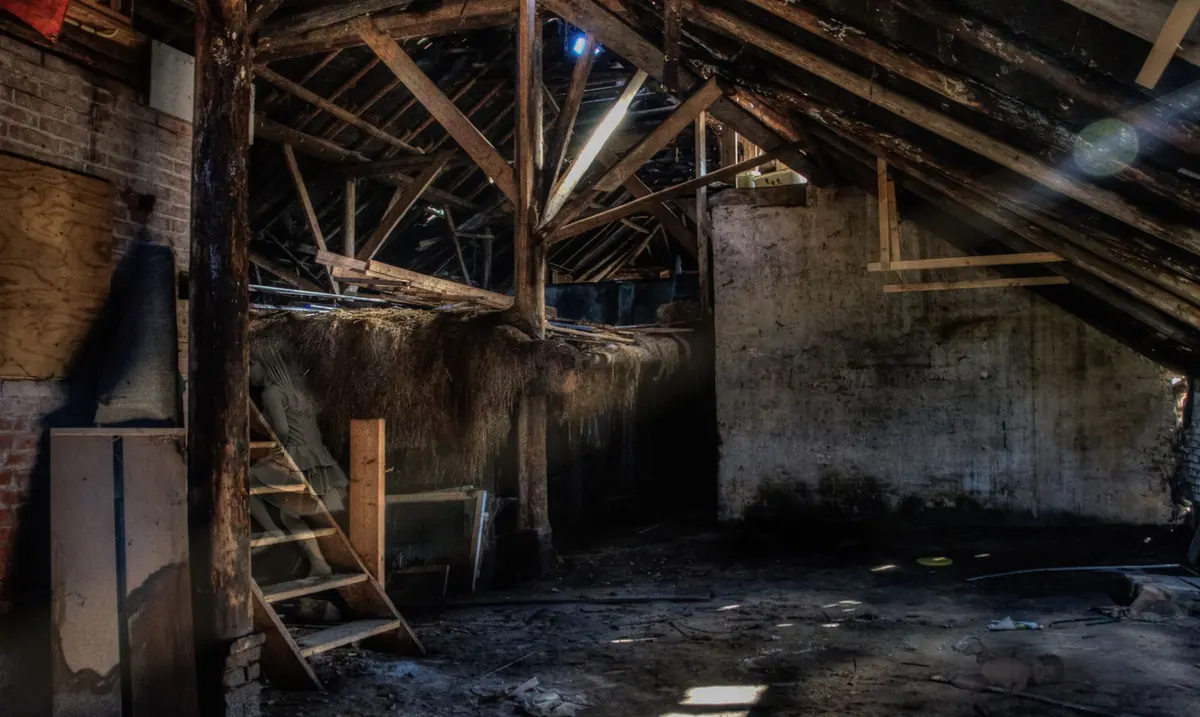
Farmingdale Mold Removal Services for Wood Framing
Your joists, accessible trusses, beams, studs and rafters are included in mold removal. Sound members undergo cleaning followed by drying, while a separate structural repair assessment addresses deteriorated wood.
Wood is porous, so cleaning accounts for its condition and accessible faces. Floor bays and roof framing are assessed for hidden moisture. Moldy drywall and insulation may need removal to expose affected wood surfaces.
Your written scope of work defines containment, cleaning, structural drying and final checks. Leak repair, ventilation corrections and replacement of materials are included only when specified. Structural repairs are defined separately.
- Your Rim Joist and Floor Joists Cleaned
- Wall studs and exposed beam cleanup
- Rafters and roof framing assessment
- Contained Entry With Damaged Insulation Removal
- Wood moisture readings before closure

Mold Removal for Wood: Signs to Notice
Arrange an assessment if your framing has growth, damp areas or nearby odors.
Mold on Rafters
Leaks, condensation or poorly routed exhaust leave roof framing damp.
Mold on Floor Joists
Spots appear beneath your floor beside plumbing leaks or damp crawl space surfaces.
Musty Smell Beneath Wood Floors
You may notice cupped flooring or an odor with concealed dampness.
Growth Returns on Exposed Wood
Cleaning does not keep spots away while the water source stays unresolved.
Mold on Studs Behind Drywall
Opened walls reveal growth, water stains or peeling paint near framing.
The Steps in Wood Mold Removal
After assessment, your cleanup proceeds within containment, followed by drying and checks.
Assess the Wood Framing
You identify affected rooms by phone. A moisture meter maps wood moisture content; a thermal imaging camera helps locate temperature differences but cannot identify mold.
Define the Moisture Source and Scope
Leaks, condensation and ventilation problems are traced. Moisture corrections and access openings are defined, with a separate assessment for wood rot or questionable structural members.
Contain the Wood Work Area
Poly sheeting creates the containment barrier surrounding bays with mold. A HEPA air scrubber, paired with negative air pressure, helps keep mold spores from spreading throughout removal and cleaning.
Remove Damaged Surrounding Materials
Damaged insulation and drywall are removed to expose framing. Debris is bagged inside containment; load-bearing wood removal follows the structural repair plan.
Clean Sound Wood Surfaces
Sound wood is cleared of growth and residue through damp cleaning and use of a HEPA vacuum. Antimicrobial treatment, when appropriate, supplements cleaning.
Dry the Framing
After cleaning, drying is aided by controlled air movers and a dehumidifier. Moisture readings track progress before insulation or wall finishes return.
Verify the Completed Cleanup
Cleaning and drying undergo post-remediation verification against the scope you agreed to. Specified clearance testing is done by an independent assessor; remaining stains alone cannot establish completion.
Remove Containment After Final Checks
After verification, containment is dismantled. Insulation, drywall and remaining finishes follow your scope during repair after remediation.
Why New York Mold Cleanup for Mold Removal From Wood Framing
Wood Cleaning Through Final Checks
Sound members are cleaned, dried and checked before containment comes down.
Calls Answered 24/7
One number starts your framing cleanup across the metro, day or night.
Wood Moisture First
Your assessment traces the water source before cleaning and closure.
Clear Work Scope for Contained Wood Cleanup
Containment and HEPA filtration fit the affected bays, and your scope is explained ahead of work.
Preparing for Wood Cleanup in Monmouth County
Limit disturbance while you arrange an assessment.
- Stop water if safe. Avoid wet electrical equipment.
- Leave growth alone. Do not attempt to blast, sand or brush it yourself.
- Keep the work area clear. Prevent people and pets from approaching the affected wood framing.
- Avoid affected HVAC use. Leave any possibly contaminated system off, as EPA advises.
- Act on fresh water damage. EPA recommends that you prevent mold growth by drying water-damaged areas and belongings within 24 to 48 hours.
Mold Removal Cost for Wood Framing in Farmingdale
The area involved, how it can be reached and the condition of your wood determine cost. National price ranges published here concern general remediation, not just framing. Your assessment sets out cleanup and distinguishes separate repairs.
Typical national range, average $3,500
$1,500 to $9,000 per jobSource: Fixr, Mold Remediation Cost (checked 2026-10-23)Typical range, average $2,300
$1,200 to $3,750 per jobSource: This Old House, Mold Remediation Cost (cost data credited to Angi) (checked 2026-10-23)Areas larger than about 10 square feet: professional rate
Each square foot costs $10 to $30Source: Fixr, Mold Remediation Cost (checked 2026-10-23)What Changes Your Framing Cleanup Price
- Access around pipes and wiring
- Affected wood square footage
- Containment equipment
- Drywall removal and disposal
- Structural drying and repairs
Your Wood Cleanup Price
These published national ranges are planning figures. Your on-site assessment defines the work and price before cleanup starts, including any separate source repairs or rebuilding.
Call (844) 352-3560 about costWood Framing Mold Removal (Joists, Studs, Rafters) Service Area Across Greater New York
Call (844) 352-3560 to arrange cleanup in Farmingdale or nearby communities. One number covers the metro.
Wood Framing Mold Removal (Joists, Studs, Rafters) in Locations Near Farmingdale
ZIP codes
Answers to Wood Framing Mold Removal (Joists, Studs, Rafters) Questions in Farmingdale
Will mold return on the wood after cleanup?
If you leave moisture problems uncorrected, mold can reappear. Before cleaning, your assessment tracks roof leaks, plumbing leaks, condensation or other moisture sources. Affected wood undergoes cleaning and drying, while moisture repairs are either included or listed separately. Enclosing framing before the wood dries can leave the underlying problem in place.
How much does framing mold cleanup cost in Monmouth County?
Your price follows an assessment of the affected area, access openings and wood condition. The cost cards above show general national remediation ranges with sources and units. Tight bays beneath floors and damaged insulation can affect your total, as can structural repairs. Cleaning, drying and rebuilding are distinguished in your scope before the job begins.
Is correcting the moisture problem or leak included too?
The moisture source is located, and required fixes are outlined along with cleanup. Plumbing repairs, roof work and ventilation changes are included only when listed in your scope. Before work starts, separate repairs are identified to avoid enclosing cleaned framing while the original moisture source is still active.
In Farmingdale, how much time does framing cleanup need?
Your timeline follows an evaluation of the framing and routes for access. Exposed joists need different work from studs behind finished walls. Drying thick members, gaining cavity access and cleaning multiple wood surfaces influence your schedule. Your framing can receive insulation and finish repairs once final checks and moisture readings establish readiness.
Is testing required before you clean wood or once cleaning ends?
Under EPA guidance, visible mold frequently makes air sampling unnecessary. Moisture, access needs and growth are mapped during the initial assessment. Containment stays in place until cleaning and drying checks finish, including independent clearance testing when required by the scope. There is no federal limit for mold levels indoors, and air testing does not assess structural strength.
Can you stay home during wood framing cleanup?
You may remain at home if rooms you occupy are separated from both the work zone and debris path. That choice depends on shared ventilation, opened wall cavities and access to essential rooms. Before work starts, your assessment defines the restrictions. Temporary arrangements elsewhere are necessary on some jobs during containment, removal and cleanup.
Can moldy studs and joists stay, or must they be replaced?
You can often keep sound studs and joists once cleaning and drying are complete. Members with softness, deterioration or structural damage require an assessment for repairs and possibly replacement. Wood strength cannot be judged by residual discoloration and mold on surfaces alone. Your scope makes clear the distinction between cleaning surfaces, repairing structure and surrounding drywall removal.
Wood Mold Cleanup: Insurance in New Jersey
The moisture source and your homeowners insurance terms determine coverage, including mold limits, exclusions and your deductible. A coverage decision for cleanup may differ from the decision for structural repairs.
Access Risks and Mold on Wood Across Greater New York
Dust spread is limited by keeping occupied rooms separate from your work area.
Black Mold on Wood
CDC says color does not tell you how risky a mold is.
Wood Dust Control
Particle control during disturbance of affected wood relies in part on protective equipment and HEPA filtration.
Overhead Wood Access
Your rafter access plan avoids walking on ceiling surfaces without support.
Concealed Wood Damage
The extent of hidden damage behind finishes is not established by visible mold.
Cleanup scope: EPA notes that homeowner cleanup is often possible for areas below about 10 square feet. Larger areas and HVAC systems need professional help, as does mold from sewage or from contaminated water.
Monmouth County Wood and Nearby Materials
Your sound structural lumber can remain once cleaned and dried. Assessment determines whether damaged materials need removal or repair.
Framing Lumber
- Weakened members need assessment of structure, while sound framing is cleaned.
Surrounding Porous Materials
- Moldy drywall and damaged insulation may need disposal.
Finishes and Coatings
- Once cleaning and drying finish, the specified sealant or encapsulant follows. Coating wood does not repair damage.
How Long Wood Cleanup Takes in Monmouth County
Access needs, repairs, cleaning and drying set your timing. Wood moisture measurements establish when closure can proceed.
- Enclosed studs: Opening walls and identifying hidden damage can expand the scope.
- Damp joists: Repeated readings determine whether wood is ready for closure.
- Damaged rafters: Planning repairs and assessing the structure may postpone rebuilding.
Wood Framing and Nearby Odors in Farmingdale
A musty smell is investigated alongside visible growth and hidden moisture. Fragrance does not remove the source.
EPA advises keeping indoor relative humidity under 60 percent, with 30 to 50 percent as the ideal range. You still need checks of the wood, not just room humidity.
New Jersey Requirements for Your Wood Repairs
Wood Cleanup Requirements
New Jersey has no state certification program for companies that do mold work, according to the state Department of Health. Ask any contractor about their mold training and experience, and check whether your town or county has its own contractor rules.
Structural Repair Permits
Your included building work, structural or otherwise, determines which permits are required.
Rental Property Work
The New Jersey Department of Health says renters can contact their local building code office about unrepaired leaks, though code offices have limited authority over mold itself. It also suggests seeking legal advice.
State Mold Information
The New Jersey Department of Health, Consumer, Environmental and Occupational Health Service, has a mold page and a Mold Advisory Bulletin for residents. The bulletin says to fix moisture problems and clean up mold, and that small areas under about 10 square feet may be handled by a homeowner.
State guidance: NJ Department of Health: Mold; NJ Department of Health: Mold Advisory Bulletin; NJ Seller's Property Condition Disclosure Statement (nj.gov)
Related Services and Next Steps
Start Your Wood Framing Mold Removal (Joists, Studs, Rafters) in Farmingdale
Call 24/7 to arrange your assessment. Your cleanup starts with the affected surfaces, moisture source and access to your home.