Attic Mold Removal in Forked River, NJ
Mold removed from roof sheathing and rafters, with damaged insulation cleared from your Forked River attic. Call 24/7 to start your assessment and cleanup.
- Moisture source checked first
- Contained work and HEPA filtration
- Wood and insulation assessed
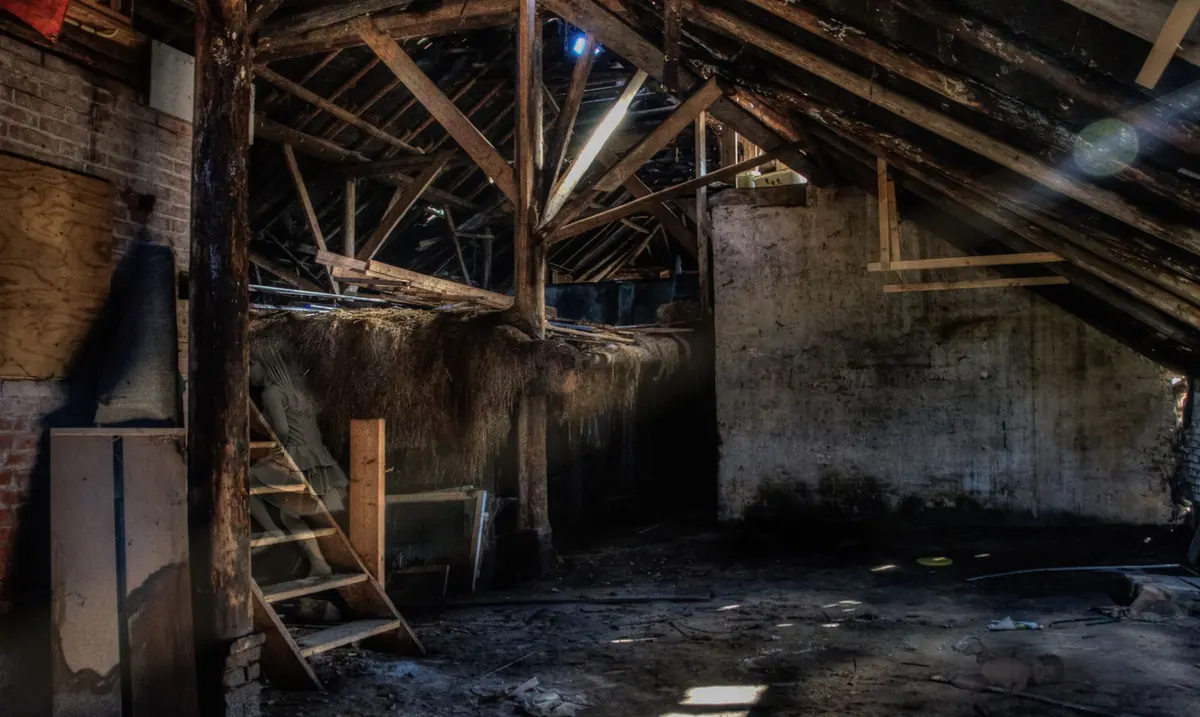
Attic Mold Removal Services Across Forked River
You get treatment of rafters, accessible framing and sheathing in the attic, with bagged removal of insulation that is damaged. Finding the source of dampness involves checking roof leaks, bath fan ducting and attic ventilation.
Sound wood sheathing is HEPA vacuumed, cleaned and dried. Unsalvageable damaged materials are removed within containment. The attic hatch and work route are protected to limit particle spread.
Checks include your soffit and roof vents along with the ridge vent. Hidden dampness beneath insulation may change the area requiring removal. Cleanup is defined in writing, with roof or ventilation repair work listed separately.
- Roof deck and rafter cleaning
- Affected attic insulation removal
- Moisture and exhaust duct assessment
- Contained access and debris removal
- Drying and final condition checks
Signs You Need Attic Mold Removal
Stained wood, wet insulation or persistent odor can point to an attic moisture problem that needs assessment.
Moisture Around Your Bathroom Exhaust Duct
Moist air from your bathroom fan venting into attic areas may leave insulation and wood persistently damp.
Under a Roof Leak: Wet Insulation
Compressed insulation or water stains by openings in your roof can signal water entry.
Frost or Condensation on Nails
With condensation in attic spaces, your nails may become wet and nearby wood damp.
Stained Attic Roof Decking
Your rafters and roof joints may show extensions of dark patches or visible mold growth from plywood sheathing.
Musty Smell Around Your Attic Entrance
Odor drifting toward your rooms can accompany hidden moisture above the ceiling.
Steps in Attic Mold Removal
From your initial call, attic work progresses to cleanup under containment, then verification.
Call and Attic Assessment
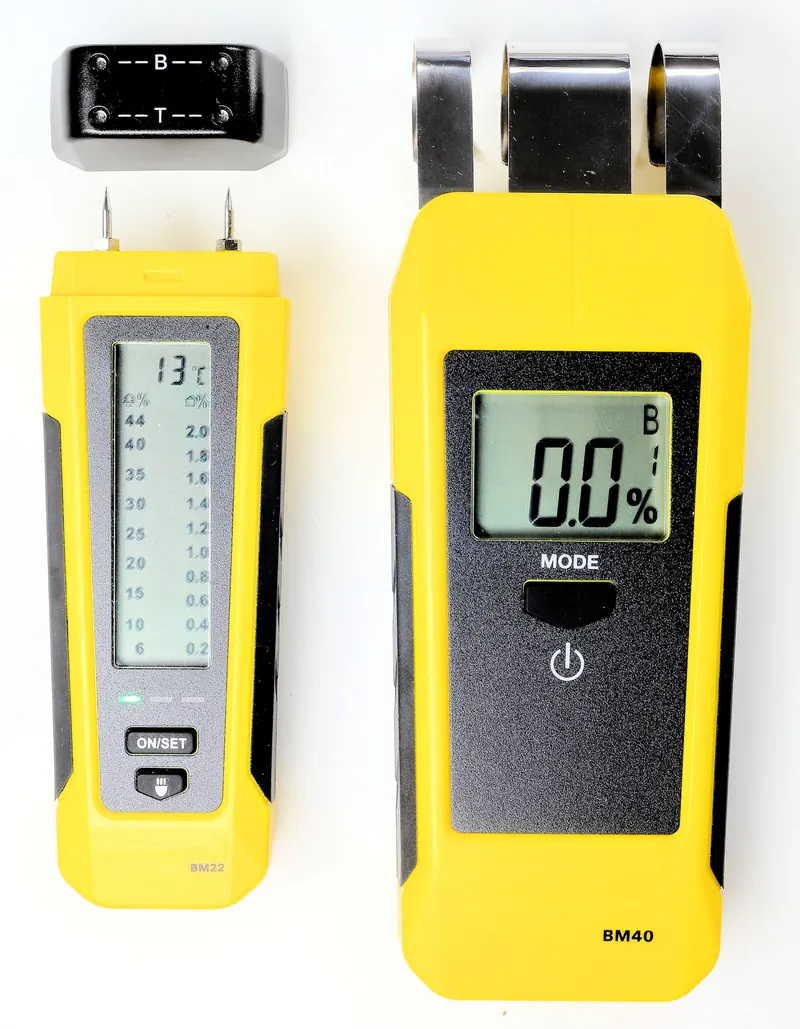
Begin your call by discussing attic access and visible damage. Dampness is mapped using a moisture meter; a thermal imaging camera helps find temperature differences, without identifying mold.
Moisture Source and Scope
Assessment covers ventilation, exhaust ducts and roof leak routes. Your scope establishes leak repair, cleaning and ventilation corrections before new materials are installed.
Attic Containment
A containment barrier and poly sheeting separate your living space from the sealed-off attic. Particle movement is limited using protective equipment, a HEPA air scrubber and negative air pressure.
Damaged Insulation Removal
Porous materials beyond salvage, including affected insulation, go into bags without leaving containment. Protection covers the debris path during material removal from your home.
Wood Surface Cleaning
Sound rafters and roof sheathing receive HEPA vacuum cleaning and suitable surface treatment. Cleaning is still required with antimicrobial treatment, while soda blasting, if appropriate for the wood, calls for dust control.
Controlled Attic Drying
A dehumidifier and air movers are examples of drying equipment selected according to the space. Moisture readings track progress as the water or condensation source is corrected.
Post-Remediation Check
Agreed post-remediation verification, completed cleaning and finished drying precede the removal of containment. When specified, clearance testing by an independent assessor takes place ahead of replacement of materials.
Attic Mold Removal: Why Choose New York Mold Cleanup
Removal, Drying and Verification
Containment removal follows final checks, after damaged insulation is taken out and sound wood undergoes cleaning and drying.
Calls Answered 24/7
One number starts your attic cleanup across the metro, including nights and weekends.
Attic Moisture First
Your assessment traces roof leaks, condensation and exhaust problems before cleanup begins.
Clear Scope and Contained Access
Before work begins, you receive a scope explanation covering containment and HEPA filtration in the affected area.
Ocean County Attic Mold Removal Preparation
Keep the attic undisturbed and call to arrange your assessment.
- Do Not Enter the Affected Attic. Ceiling surfaces between joists are not a walking floor.
- Keep the hatch closed. Keep people and pets away from affected materials.
- Leave insulation in place. Do not begin tear out or brush the growth.
- Avoid wet electrical equipment. Stay away from water near wiring and fixtures.
- Avoid spreading particles. Do not blow dust outside using your attic fan; leave potentially contaminated HVAC equipment unused, as EPA advises.
Attic Mold Removal Cost in Forked River
Your attic cost varies with wood condition, insulation condition, access and how much area is affected. National ranges show insulation replacement apart from removal charges.
Attic mold removal
$1,000 to $4,000 per jobSource: This Old House, Mold Remediation Cost (cost data credited to Angi) (checked 2026-10-23)New insulation following removal of your old insulation
Each square foot costs $1 to $7Source: PushLeads, Attic Mold Removal Cost (cites BUK Restoration and Angi) (checked 2026-10-23)Understanding Attic Mold Cost Factors in Forked River
- Roof sheathing condition
- Access and headroom
- Affected square footage
- Cleaning method
- Insulation volume
- Separate moisture repairs
Understanding Your Attic Cleanup Price
These published national ranges are planning figures. Your on-site assessment defines the work and price before cleanup starts, including any separate source repairs or rebuilding.
Call (844) 352-3560 about costAttic Mold Removal Service Area Across Greater New York
Call (844) 352-3560 to arrange cleanup in Forked River or nearby communities. One number covers the metro.
Attic Mold Removal in Locations Near Forked River
ZIP codes
What People Ask About Attic Mold Removal in Forked River
Is mold able to return to a cleaned attic?
Mold can return if roof leaks, trapped humidity or exhaust problems remain. Your assessment traces the source before cleaning begins. Cleaning and drying address sound wood; moisture fixes are part of the work or specified separately. New insulation goes in after drying and verification, rather than covering damp surfaces.
What does attic cleanup cost in Ocean County?
Affected square footage, access, insulation volume and roof sheathing condition determine your attic mold cost. National price ranges appear with source names in the published cards above. Removal and replacement insulation are priced using different units. An on-site scope sets your price and work details ahead of the start.
Are repairs for roof leaks and exhaust issues included too?
Assessment finds your moisture problems and specifies the fixes required alongside cleaning. Roof repair, ceiling air sealing and exhaust duct work are included only when listed in your scope. Separate repairs are specified ahead of starting, keeping the same moisture source from exposing cleaned wood and new insulation again.
Must roof decking with mold be replaced?
Your sound roof decking, along with sound rafters, can often undergo cleaning and drying. Wood that is soft, has deteriorated or has structural damage requires assessment for repairs and possible replacement. You cannot determine wood condition from staining alone. Your scope separates cleaning from roof repair before removal or rebuilding begins.
How long does attic cleanup take in Forked River?
After examining affected insulation and wood along with the access route, your schedule is established. Your workload grows with tight hatches and extensive removal areas. Drying follows moisture readings rather than surface appearance. Roof repairs, agreed verification and ventilation fixes also influence the schedule for installing replacement insulation and finishing your job.
Is staying home possible while your attic is cleaned?
You may be able to stay if occupied rooms remain separate from the attic work zone and debris route. The hatch location, shared ventilation and household needs determine access restrictions. Some jobs require you to stay elsewhere during work. Before containment or removal starts, your assessment sets out these arrangements.
Should air testing take place before or after your attic is cleaned?
Air sampling is often not needed for visible mold, according to EPA guidance. Your affected area is determined through inspection and moisture checks. Following removal, checks confirm cleaning and drying before taking containment down. When specified, clearance testing is carried out by an independent assessor. There is no federal limit for mold levels indoors.
Attic Mold Cleanup in New Jersey and Your Insurance
Homeowners insurance coverage depends on the moisture cause, policy exclusions, mold limits and deductible. Roof repairs, cleanup and replacement insulation may receive different coverage decisions.
Attic Mold Safety Across Greater New York
Your attic work uses containment with access restrictions to reduce disturbance and the movement of particles.
Sensitive Occupants
CDC identifies mold as a possible trigger for asthma and allergy symptoms in some people.
Mold Color
You cannot measure risk by finding black mold in attic spaces; CDC cautions that mold color does not reveal danger.
Attic Dust
Beyond the affected area, mold spores can disperse as a result of disturbing insulation.
Attic Access
Your access safety is affected by tight overhead space, exposed nails and ceiling gaps.
Cleanup scope: Homeowners can often clean areas under about 10 square feet, according to EPA; attic access hazards remain regardless of size. Seek help from a professional for HVAC systems, larger areas or contaminated water.
Ocean County Attic Materials: Cleaning and Removal
Sound framing is cleaned where possible; damaged porous materials may need removal.
Wood sheathing and rafters
- Your sound wood receives cleaning and drying; an assessment determines repairs for deteriorated roof decking.
Attic insulation
- Bagged affected insulation leaves the attic; drying and verification must finish before insulation replacement.
Other surfaces
- Reachable non-porous surfaces receive cleaning, and removal may be necessary for your damaged ceiling materials.
Attic Cleanup Timing in Ocean County
Material volume and access affect your schedule, as do drying and repairs following remediation.
- Access: Removal takes more work with tight hatches and limited headroom.
- Wood moisture: Moisture readings determine readiness for replacement insulation.
- Completion: When work finishes is affected by roof repairs and verification agreed upon.
Addressing Attic Odor and Humidity in Forked River
Checking your materials and moisture helps investigate a musty odor. Fragrance cannot fix what causes it.
For your indoor relative humidity, EPA advises staying under 60 percent; 30 to 50 percent is ideal. Attic clearance does not use this indoor recommendation as a target.
New Jersey Attic Cleanup Requirements Explained
Attic Work Requirements
New Jersey has no state certification program for companies that do mold work, according to the state Department of Health. Ask any contractor about their mold training and experience, and check whether your town or county has its own contractor rules.
EPA Guidelines for Drying
Prevent mold growth by drying water-damaged items and areas within 24 to 48 hours.
Repair Permits
Your project's roof work, structural work or electrical work determines which permits are required.
State Mold Information
The New Jersey Department of Health, Consumer, Environmental and Occupational Health Service, has a mold page and a Mold Advisory Bulletin for residents. The bulletin says to fix moisture problems and clean up mold, and that small areas under about 10 square feet may be handled by a homeowner.
State guidance: NJ Department of Health: Mold; NJ Department of Health: Mold Advisory Bulletin; NJ Seller's Property Condition Disclosure Statement (nj.gov)
Related Services and Next Steps
Start Your Attic Mold Removal in Forked River
Call 24/7 to arrange your assessment. Your cleanup starts with the affected surfaces, moisture source and access to your home.