Floor and Subfloor Mold Removal in Garwood, NJ
Mold removed from affected flooring and subfloor surfaces in your Garwood home. Call 24/7 to arrange an assessment of hidden moisture and damaged floor layers.
- Moisture below flooring checked
- Containment and HEPA filtration
- Cleaning before floor repair
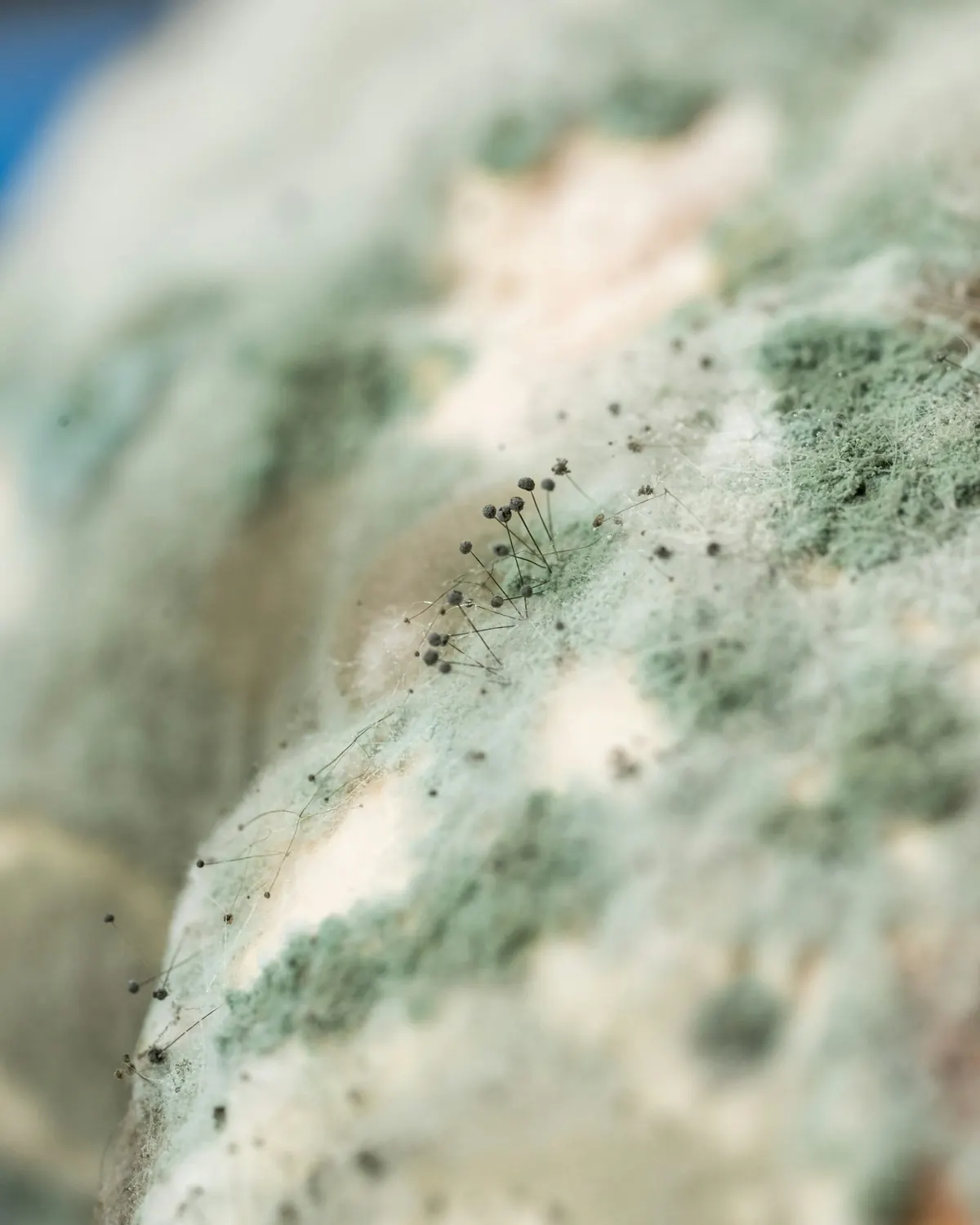
Floor and Subfloor Mold Removal Services for Your Garwood Property
Your carpet, wood panels, underlayment and reachable joists are included in cleanup. Containment surrounds removal of damaged layers, while surfaces in sound condition receive cleaning and drying.
Mold under flooring can reach a plywood subfloor or OSB subfloor while the finish looks intact. Your assessment checks access from the room, basement or crawl space.
Before work begins, your scope lists flooring replacement, subfloor replacement and joist repairs separately. The written plan also sets the removal limits and defines moisture corrections.
- Disposal of padding with carpet mold removal
- Mold under hardwood floors assessed
- Vinyl plank flooring and laminate layers checked
- Accessible panel and joist cleaning
- Containment during debris removal, plus HEPA filtration
- Moisture readings before floor repairs
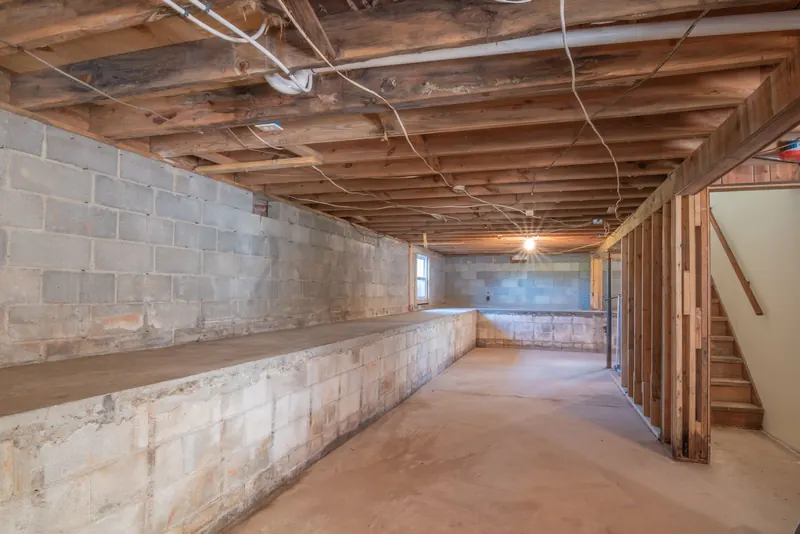
Floor Mold Cleanup in Garwood: Signs to Notice
Visible mold, returning odor or damaged floor edges call for assessment. Moisture damage alone does not confirm hidden growth.
Mold Under Laminate Flooring
You can spot damp layers below your flooring through swollen planks or uncovered growth.
Mold Under Vinyl Flooring
Lifted edges expose patches on damp backing or underlayment.
Visible Growth on Floor Joists
Have wood and moisture assessed when you see patches beneath your room.
Leak Followed by Mold in Carpet
Your carpet smells musty or shows growth after a leak.
Musty Smell Below Flooring
Surface cleaning leaves an odor that returns near flooring edges.
Floor Cupping and Water Stains
Raised edges and stains can accompany mold in hardwood floors or moisture damage alone.
Subfloor Mold Remediation in Greater New York: The Process
Moisture assessment starts your work, followed by cleanup within containment and checks at completion.
Floor Assessment
A moisture meter locates moisture across your flooring. A thermal imaging camera can reveal temperature differences but does not identify mold.
Moisture Source and Floor Scope
Leaks, slab moisture and dampness below your floor are assessed. Opening layers follows decisions about source repairs and how far removal will extend.
Containment Before Flooring Removal
Poly sheeting makes the containment barrier. Protective equipment helps limit spreading particles alongside a HEPA air scrubber and negative air pressure.
Damaged Floor Layers Removed
Removal includes unsound panels, moldy carpet padding and swollen underlayment when necessary. Containment encloses the debris bagging work.
Retained Surfaces Cleaned
Mold on surfaces that stay, including reachable sound joists and panels, is removed through physical cleaning and a HEPA vacuum.
Subfloor Drying
A dehumidifier helps cleaned areas dry alongside air movers. Retained wood and uncovered layers are tracked using moisture readings.
Post-Remediation Verification
Agreed completion criteria are checked alongside cleanliness and dryness. An independent assessor conducts specified clearance testing while containment is still in place.
Containment Removed After Checks
Barriers come down after verification. Replacement of materials waits for cleanup checks and compliance with your chosen flooring's moisture requirements.
Choosing New York Mold Cleanup for Your Floor and Subfloor Mold Removal
Clear Floor Cleanup Scope
Cleaning, removal and rebuilding have separate places in your scope before the job begins.
Removal Through Final Checks
Before removing containment, the floor structure you keep undergoes cleaning, drying and checks.
Floor Moisture First
Before setting boundaries for floor removal, the assessment traces leaks and hidden moisture.
Contained Work and HEPA Filtration
Floor layers are opened inside containment with HEPA filtration matched to your work area.
Calls Answered 24/7
You can begin a floor assessment through one metro-wide number at any hour, day or night.
Before Floor Mold Cleanup in Union County
Leave your affected flooring untouched. Arrange an assessment by phone.
- Avoid unstable flooring. Stay off soft or sagging areas.
- Stop active water safely. Only stop the leak if doing so keeps you clear of wet electrical equipment.
- Leave floor layers in place. Leave tear out, dry brushing and sanding unstarted.
- Limit access. Affected flooring must stay off limits to people and pets.
- Avoid blowing on growth. Never run potentially contaminated HVAC equipment or blow fans directly onto mold.
Cleanup Cost for Floors and Subfloors in Garwood
Your price follows floor layers and access. These published ranges cover related repairs, not mold removal, and are not amounts to add into a cleanup total.
After Mold: Related Flooring Repair Cost
$200 to $550 per jobSource: Servpro, Mold Remediation Cost (checked 2026-10-23)Carpet repair or replacement after mold, related cost
$775 to $2,600 per jobSource: Servpro, Mold Remediation Cost (checked 2026-10-23)Related Cost: Hardwood Restoration During Water Damage Work
$10 to $15 per square footSource: Fixr, Water Damage Restoration Cost (checked 2026-10-23)What Changes Subfloor Mold Removal Cost in Garwood
- Access beneath cabinets or partitions
- Depth of growth and removal limits
- Containment and drying equipment
- Leak repair and flooring replacement
- Flooring layers and square footage affected
Related Floor Repair Prices
These published national ranges are planning figures. Your on-site assessment defines the work and price before cleanup starts, including any separate source repairs or rebuilding.
Call (844) 352-3560 about costFloor and Subfloor Mold Removal Service Area Across Greater New York
Call (844) 352-3560 to arrange cleanup in Garwood or nearby communities. One number covers the metro.
Floor and Subfloor Mold Removal in Locations Near Garwood
ZIP codes
Answers to Floor and Subfloor Mold Removal Questions in Garwood
Is the water problem fixed as part of cleanup?
The moisture source is assessed and necessary corrections are defined with your cleanup scope. Your job includes plumbing repairs, slab moisture control or underfloor work only where the scope specifies them. Those repairs must be finished ahead of enclosing the affected layers, so an unfixed water issue is not hidden by new flooring.
What should you expect for floor mold cleanup cost in Union County?
Pricing reflects concealed floor layers, the area inspected and the work of reaching affected surfaces. The cards list source-based ranges for related flooring repairs rather than quoting your mold cleanup. Your total reflects containment, removal, rebuilding and drying. Your scope and price are explained before work starts.
When can floor cleanup in Garwood be completed?
Assessing your floor precedes scheduling the work. Removing carpet with padding differs from the work of opening glued floors or replacing damaged panels. Surface feel does not guide drying; moisture readings do. Access beneath cabinets, structural repairs and replacement finishes affect when your room can return to use.
Must you remove every layer of flooring?
Removal follows the damage and access needed for cleaning. You may keep sound, reachable wood, but moldy carpet with padding or swollen underlayment may require disposal. Mold in subfloor layers may mean opening farther than the patch you can see. Removal boundaries, surfaces to retain and any needed structural assessment are identified in your scope.
Is mold likely to recur beneath your new floor?
Leaving the moisture problem unresolved can let mold return. Slab moisture, damp conditions under your floor or leakage are traced during your assessment ahead of cleanup. Cleaning and drying of retained materials precede covering them with replacement finishes. Completed source repairs and appropriate moisture control help prevent the same damp conditions from returning.
Do you need to leave home for floor cleanup?
Whether you can remain home depends on the affected area, your layout and essential room and exit access. During cleaning and removal, entry to the work zone is restricted. Shared ventilation and household needs are considered before work starts. Until required repairs are finished, openings and unstable floors also influence whether you can occupy the area.
Is testing needed before or after floor removal?
With visible mold, you often do not need air sampling, according to EPA guidance. Inspection identifies affected materials and moisture, including concealed layers reached during controlled openings. Once cleaning and drying finish, the agreed post-remediation checks take place while containment remains up. An independent assessor conducts clearance testing whenever the scope specifies testing. Indoor mold levels have no federally established limit.
Insurance for Floor Mold Cleanup in New Jersey
The source of water and your policy's exclusions, deductible and mold limits affect coverage. Leak repairs, rebuilding and cleanup may each get a different coverage decision.
Floor Mold Cleanup Safety for Your Greater New York Property
Controlled floor openings and containment help limit mold spore spread as your flooring comes out.
Hidden Floor Layers
You may find growth extending under cabinetry or into nearby rooms.
Mold Color
According to CDC, you cannot judge mold risk from its color.
Floor Stability
You need the structure assessed before returning to an area with sagging or softened flooring.
Sensitive Occupants
According to CDC, some people experience allergy and asthma symptoms triggered by mold.
Cleanup scope: EPA notes that homeowner cleaning is often possible below about 10 square feet. The full affected area can remain hidden within layers. Mold from sewage or contaminated water, larger areas and HVAC systems require professional assistance.
Floor Materials Cleaned or Removed in Union County
Damaged porous layers may require removal, while your sound surfaces may stay.
Retained Floor Structure
- Cleaning and drying apply to reachable wooden panels and sound joists if their condition permits.
Damaged Floor Coverings
- Moldy carpet, padding, swollen laminate and unsound underlayment are removed as needed.
Tile and Finish Repairs
- Cleaning is possible for a sound tile floor surface; the concealed backing and subfloor each need condition assessment.
Timing Your Floor Cleanup in Union County
Access to your floor, drying and repairs following cleanup determine timing.
- Floor Access: Multiple underlayment layers, glued finishes and cabinetry increase the removal work.
- Drying Progress: Readiness of retained materials for the following stage depends on moisture readings.
- Room Reopening: Your floor's return to use depends on final checks plus repairs to structures or finishes.
Floor Odor and Humidity in Garwood
A musty smell is traced during assessment. Surface fragrance does not remove affected material beneath the finish.
Keep your indoor relative humidity below 60 percent under EPA guidance; the ideal band is 30 to 50 percent. That room reading alone does not verify dryness in concealed floor layers.
Understanding New Jersey Requirements for Floor Cleanup
Structural Floor Work
New Jersey has no state certification program for companies that do mold work, according to the state Department of Health. Ask any contractor about their mold training and experience, and check whether your town or county has its own contractor rules.
Prompt Drying
To prevent mold growth, EPA recommends drying water-damaged items and areas within 24 to 48 hours.
Rental Floor Damage
The New Jersey Department of Health says renters can contact their local building code office about unrepaired leaks, though code offices have limited authority over mold itself. It also suggests seeking legal advice.
State Mold Information
The New Jersey Department of Health, Consumer, Environmental and Occupational Health Service, has a mold page and a Mold Advisory Bulletin for residents. The bulletin says to fix moisture problems and clean up mold, and that small areas under about 10 square feet may be handled by a homeowner.
State guidance: NJ Department of Health: Mold; NJ Department of Health: Mold Advisory Bulletin; NJ Seller's Property Condition Disclosure Statement (nj.gov)
Related Services and Next Steps
Start Your Floor and Subfloor Mold Removal in Garwood
Call 24/7 to arrange your assessment. Your cleanup starts with the affected surfaces, moisture source and access to your home.