Attic Mold Removal in Great Kills, NY
Mold removed from roof sheathing and rafters, with damaged insulation cleared from your Great Kills attic. Call 24/7 to start your assessment and cleanup.
- Moisture source checked first
- Contained work and HEPA filtration
- Wood and insulation assessed
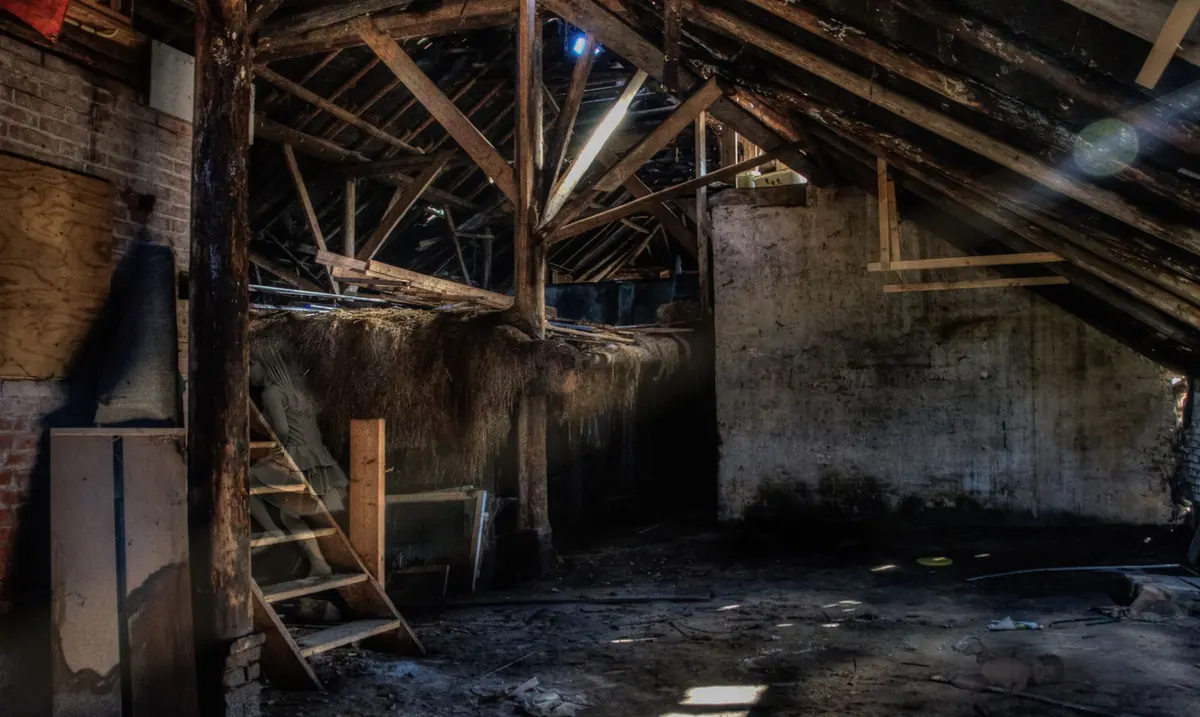
Attic Mold Removal Services Across Great Kills
Your attic cleanup treats roof sheathing, rafters and accessible framing, with damaged insulation bagged and removed. Roof leaks, attic ventilation and bath fan ducts are assessed to trace the moisture source.
Protection around your attic hatch and the work route helps restrict particle movement. Containment stays in place for removal of materials beyond saving. Sound sheathing receives HEPA vacuuming, cleaning and drying.
Your roof vents, ridge vent and soffit vents are checked during assessment. Cleanup and separate ventilation or roof repairs are defined in a written work scope. Moisture concealed beneath insulation can change how much area needs removal.
- Roof deck and rafter cleaning
- Affected attic insulation removal
- Moisture and exhaust duct assessment
- Contained access and debris removal
- Drying and final condition checks
Signs You Need Attic Mold Removal
Have your attic moisture assessed if you notice lingering odor, damp insulation or staining on wood.
Wet Insulation Below a Roof Leak
Near roof openings, water stains or flattened insulation may indicate where water enters.
Bathroom Exhaust Duct With Nearby Dampness
Wood and insulation may stay damp when moist air comes from a bathroom fan venting into attic voids.
Musty Smell Near the Attic Hatch
Hidden moisture over your ceiling may accompany odors moving into your rooms.
Stained Attic Roof Decking
From plywood sheathing, visible mold growth or dark patches can continue along your roof joints and rafters.
Frost or Condensation on Nails
Wet nails and damp surrounding wood can result from condensation in attic spaces.
Your Attic Mold Removal Process
Your attic cleanup begins with a call and uses containment before reaching the final verification stage.
Call and Attic Assessment
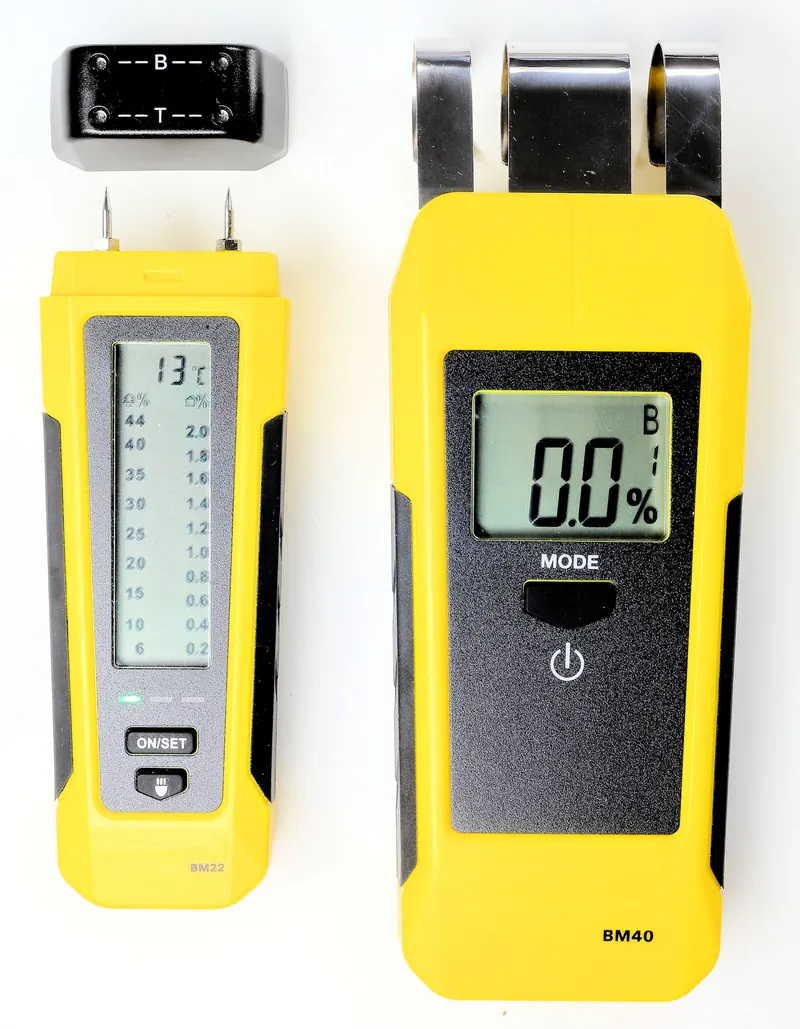
Begin your call by discussing attic access and visible damage. A moisture meter maps dampness; a thermal imaging camera can help locate temperature differences but cannot identify mold.
Moisture Source and Scope
Assessment covers ventilation, exhaust ducts and roof leak routes. Cleaning, airflow adjustments and leak repair are defined in your scope ahead of material replacement.
Attic Containment
Your living space is isolated from attic work using poly sheeting with a containment barrier. Particle movement is limited using protective equipment, a HEPA air scrubber and negative air pressure.
Damaged Insulation Removal
Affected insulation goes into bags within containment, as do other porous materials beyond salvage. The debris route is protected as materials leave your home.
Wood Surface Cleaning
Sound rafters and roof sheathing receive HEPA vacuum cleaning and suitable surface treatment. When wood is suitable, soda blasting needs dust control; cleaning remains necessary even with antimicrobial treatment.
Controlled Attic Drying
Drying equipment, such as a dehumidifier and air movers, is selected for the space. As the source of water or condensation is fixed, moisture readings measure drying progress.
Post-Remediation Check
Agreed post-remediation verification, completed cleaning and finished drying precede the removal of containment. When specified, clearance testing by an independent assessor takes place ahead of replacement of materials.
Why Choose New York Mold Cleanup for Attic Mold Removal
Calls Answered 24/7
Across the metro, you can start attic cleanup with one number, even on nights and weekends.
Clear Scope and Contained Access
Your scope is explained before work starts, with containment and HEPA filtration for the affected area.
Attic Moisture First
Assessment comes before cleanup and investigates your roof leaks along with condensation and exhaust problems.
Removal, Drying and Verification
Final checks come before containment removal, following damaged insulation removal and cleaning and drying of sound wood.
Preparing for Attic Mold Removal in Richmond County
Call for your assessment; leave the attic untouched until then.
- Keep Out of Your Affected Attic. Ceiling surfaces between joists are not a walking floor.
- Keep the hatch closed. Prevent people or pets from approaching affected materials.
- Leave insulation in place. Do not begin tear out or brush the growth.
- Avoid wet electrical equipment. Avoid water that is close to fixtures and wiring.
- Avoid spreading particles. Do not blow dust outside using your attic fan; leave potentially contaminated HVAC equipment unused, as EPA advises.
Your Attic Mold Removal Cost in Great Kills
The size of the affected area, ease of access and condition of insulation and wood determine your attic price. These ranges are national, with replacement insulation priced separately from removal.
Attic mold removal
$1,000 to $4,000 per jobSource: This Old House, Mold Remediation Cost (cost data credited to Angi) (checked 2026-10-23)New insulation, if the old insulation is removed
Per square foot: $1 to $7Source: PushLeads, Attic Mold Removal Cost (cites BUK Restoration and Angi) (checked 2026-10-23)Understanding Attic Mold Cost Factors in Great Kills
- Affected square footage
- Access and headroom
- Cleaning method
- Roof sheathing condition
- Separate moisture repairs
- Insulation volume
Your Price for Attic Cleanup
These published national ranges are planning figures. Your on-site assessment defines the work and price before cleanup starts, including any separate source repairs or rebuilding.
Call (844) 352-3560 about costAttic Mold Removal Service Area Across Greater New York
Call (844) 352-3560 to arrange cleanup in Great Kills or nearby communities. One number covers the metro.
ZIP codes
Answers to Attic Mold Removal Questions in Great Kills
Do you need to leave home for attic cleanup?
You might stay home provided the debris path and attic work area are separate from the rooms you occupy. Where access is restricted depends on shared ventilation, hatch placement and your household needs. Some jobs require you to stay elsewhere during work. These arrangements are established during your assessment ahead of containment and removal.
Is replacement necessary for moldy roof decking?
If your rafters and roof decking remain sound, cleaning and drying are often possible. Soft, deteriorated or structurally damaged wood needs a repair assessment and may require replacement. You cannot determine wood condition from staining alone. Your scope separates cleaning from roof repair before removal or rebuilding begins.
What attic cleanup cost should you expect in Richmond County?
Affected square footage, access, insulation volume and roof sheathing condition determine your attic mold cost. National price ranges appear with source names in the published cards above. Replacement insulation uses a different unit from removal. Your on-site scope defines the work and price before it begins.
In Great Kills, how much time should attic cleanup take?
Your timeline is determined once the affected wood, entry route and insulation have been inspected. Removal involves extra work when areas are large and hatches narrow. Moisture readings guide drying, regardless of how surfaces look. Roof repairs, ventilation corrections and agreed verification also affect when replacement insulation can go in and the job can close.
Is air testing necessary before attic cleaning or afterward?
EPA guidance indicates air sampling is often unnecessary when visible mold is present. Your affected area is determined through inspection and moisture checks. After removal, cleaning and drying are checked before containment comes down. Use an independent assessor for clearance testing when testing is specified. Federal limits have not been set for indoor mold levels.
Could your attic have mold again after cleaning?
Unresolved exhaust problems, roof leaks or trapped humidity can allow mold to return. Your source assessment takes place before any cleaning begins. Sound wood is cleaned and dried, and moisture corrections are included or identified as separate work. Damp surfaces are not covered with new insulation; installation waits for drying and verification.
Will exhaust problems and leaking roofs also be corrected?
Along with cleanup, the necessary moisture corrections are defined through your assessment of moisture problems. Roof repair, work on exhaust ducts and ceiling air sealing are included only if your scope names them. Before work begins, separate repairs are identified to protect clean wood and replacement insulation from continued exposure to the same moisture source.
Attic Mold Cleanup and Insurance in New York
The moisture source, mold limits, deductible and exclusions in your homeowners policy determine coverage. Cleanup may get a different coverage decision from roof repair or replacement of insulation.
Greater New York Safety Considerations for Attic Mold
Limiting disturbance and particle movement during your attic job takes containment and control over access.
Attic Access
Safe entry depends on ceiling gaps, limited headroom and exposed nails.
Sensitive Occupants
According to CDC, some people may experience allergy and asthma symptoms triggered by mold.
Mold Color
CDC explains that black mold in attic areas does not indicate risk levels; you cannot judge mold danger by color.
Attic Dust
Mold spores may travel outside the affected area when insulation is disturbed.
Cleanup scope: EPA guidance often allows homeowner cleaning for areas under about 10 square feet, without eliminating hazards from accessing your attic. Larger affected areas, contaminated water or HVAC systems need professional attention.
Which Attic Materials Get Cleaned or Removed in Richmond County
Sound framing is cleaned where possible; damaged porous materials may need removal.
Wood sheathing and rafters
- Sound wood is cleaned and dried; deteriorated roof decking needs a repair assessment.
Attic insulation
- Removal of affected insulation follows bagging, with new insulation installed after drying and verification.
Other surfaces
- Reachable non-porous surfaces receive cleaning, and removal may be necessary for your damaged ceiling materials.
How Long Attic Cleanup Takes in Richmond County
Your schedule follows access, material volume, drying and repair after remediation.
- Access: Low overhead clearance and narrow entry hatches increase removal work.
- Wood moisture: Moisture readings establish when replacement insulation can go in.
- Completion: When work finishes is affected by roof repairs and verification agreed upon.
Humidity and Attic Odor in Great Kills
To investigate mustiness, your assessment checks materials along with moisture. Adding fragrance leaves the source unresolved.
Keep indoor relative humidity below 60 percent per EPA advice, with an ideal range of 30 to 50 percent. That recommendation is for indoors, not a target for clearing attic work.
Requirements for Attic Cleanup in New York
Attic Work Requirements
The New York State Department of Labor licenses mold assessors and mold remediation contractors under Article 32 of the Labor Law. The same person may not do both the assessment and the remediation on one property, and you can check a contractor in the Department of Labor's search of mold contractor license holders.
EPA Guidelines for Drying
Water-damaged items and areas need drying within 24 to 48 hours to prevent mold growth.
Repair Permits
Your project's roof work, structural work or electrical work determines which permits are required.
State Mold Information
The New York State Department of Health indoor air page says mold can grow on any surface with enough moisture and points to its Mold in Your Home guide. Health questions can go to [email protected] or (518) 402-7800.
State guidance: NY State Department of Labor: Mold Program; NY Real Property Law 462, NY Senate; NY Attorney General: Legal services and code enforcement; NY State Department of Health: Indoor Air
Related Services and Next Steps
Start Your Attic Mold Removal in Great Kills
Call 24/7 to arrange your assessment. Your cleanup starts with the affected surfaces, moisture source and access to your home.