Mold After a Roof Leak in Great River, NY
Mold removed from ceilings and attic wood, with damaged insulation cleared after a roof leak in your Great River property. Call 24/7 to start your moisture assessment and cleanup.
- Leak source checked first
- Ceiling and attic containment
- Clear cleanup and drying scope
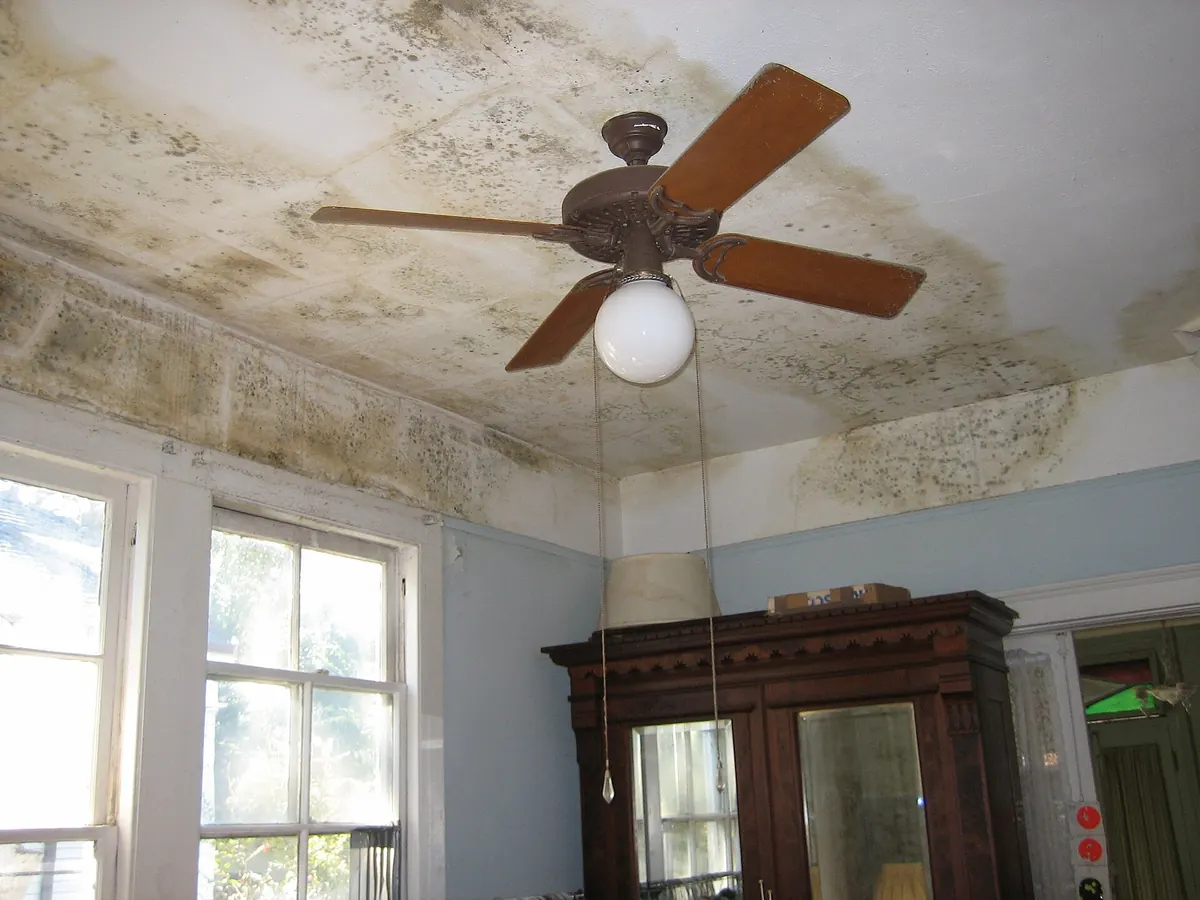
Services for Mold Following a Roof Leak in Great River
Your cleanup follows the water path through roof sheathing, rafters, insulation and ceiling drywall. Affected materials are assessed for removal or cleaning.
Your moisture map extends past visible growth, tracing water through accessible ceiling cavities and roof bays along framing.
Cleaning and drying retain sound wood; damaged porous materials come out. In your written scope, remediation is distinct from rebuilding and roof repair work on deteriorated roof decking, shingles and flashing.
- Ceiling and attic moisture assessment
- Wet insulation removal alongside damaged drywall removal
- Sound rafter and sheathing cleaning
- HEPA filtration with protected routes for debris
- Drying and final condition checks
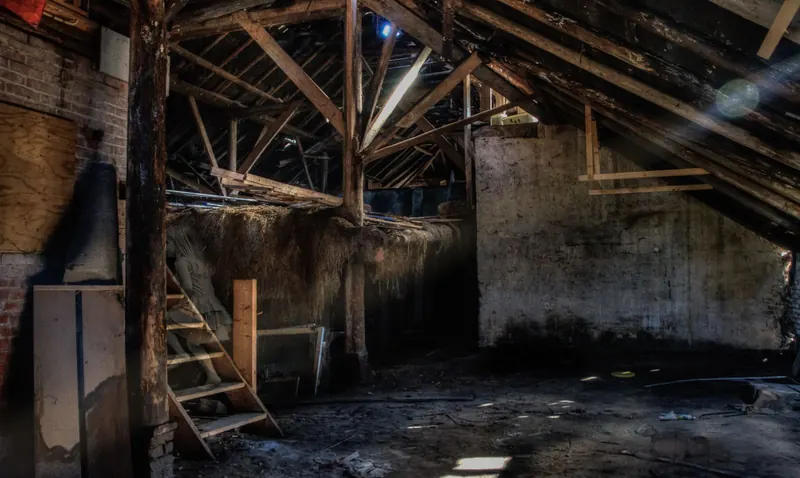
Suffolk County Warning Signs for Roof Leak Mold Cleanup
Wet insulation, recurring stains or growth may point to damage where your roof leaked.
Water Stains Return After Rain
Your ceiling stain darkens after rainfall, with bubbling paint or soft drywall.
Wet Insulation Above Your Ceiling
Insulation below the leaking roof looks compressed or stays damp.
Attic Mold Under a Gap in the Roof
Growth appears on sheathing or rafters near a vent or chimney.
Mold on Bathroom Ceiling Surfaces
You notice spots changing following rainfall; shower humidity can contribute moisture too.
Musty Odor After Rain
You may notice a persistent smell beside your attic hatch when wet materials are hidden nearby.
Steps in Roof Leak Mold Remediation for Great River
Your cleanup ends with drying and final checks.
Ceiling and Attic Mold Assessment
A moisture meter locates damp areas across ceiling surfaces, framing and insulation. Mold cannot be identified by a thermal imaging camera, which helps find temperature variations.
Leak Source and Cleanup Scope
Tracing the water path establishes removal limits and the separate roof leak repair. Water entry is controlled before drying and replacement materials are enclosed.
Ceiling Mold Containment
A containment barrier plus poly sheeting isolates the area where work occurs. Particle spread is limited using a HEPA air scrubber, protective equipment and negative air pressure.
Damaged Drywall and Insulation Removal
Within containment, moldy insulation and damaged ceiling drywall go into bags. Protection along the debris route restricts spread throughout your home.
Retained Wood and Surface Cleaning
HEPA vacuum cleaning is paired with surface cleaning on sound rafters and sheathing. Non-porous surfaces undergo cleaning, and antimicrobial treatment cannot take the place of removing growth.
Structural Drying
After removal and cleaning, the drying process uses a dehumidifier with controlled air movers for support. Moisture readings track progress in wood and cavities.
Post-Remediation Verification
Assessing completion involves checking moisture and visible conditions. Before containment removal, an independent assessor conducts clearance testing if specified.
Containment Removal and Rebuilding Readiness
Containment comes down after final checks. Replacement insulation and ceiling finishes proceed as separately scoped rebuilding once both the dampness and leak are resolved.
Why Choose New York Mold Cleanup for Mold After a Roof Leak
Roof Moisture First
Your assessment traces where the leak travels past the stain you see.
Clear Mold Cleanup Scope
Removal boundaries and separate roof repairs are defined before work starts.
Calls Answered 24/7
One number starts your ceiling and attic cleanup across the metro, day or night.
Contained Ceiling and Attic Work
HEPA filtration and protection along access routes restrict particle spread while overhead work proceeds.
Removal Through Final Checks
Before dismantling containment, the completed removal, cleaning and drying work undergoes verification.
Preparing for Ceiling Leak Mold Cleanup in Suffolk County
Keep damaged materials untouched. Call 24/7.
- Stay clear of sagging ceilings. Do not let people or pets approach wet fixtures or damaged drywall.
- Leave attic material in place. Leave insulation in place and avoid scraping growth.
- Avoid roof access. Wet roofs and damaged decking need professional assessment.
- Keep suspect HVAC off. EPA says not to run equipment suspected of mold contamination because it can spread mold.
- Address fresh water damage promptly. EPA recommends a drying window of 24 to 48 hours for water-damaged areas and items to prevent mold growth.
Roof Leak Mold Remediation Cost in Great River, NY
Your cost varies with access and the materials affected. Each published range concerns a separate task; together they are not a single quote.
Attic Mold Following Roof Leaks (Angi, 2025)
$1,000 to $4,000 per jobSource: PushLeads, Attic Mold Removal Cost (cites BUK Restoration and Angi) (checked 2026-10-23)Roof Leak Repair Corrects the Cause, Leaving Mold Cleanup Separate
$400 to $2,500 per repairSource: Fixr, Mold Remediation Cost (checked 2026-10-23)New Insulation After Removal of the Old Insulation
Each square foot costs $1 to $7Source: PushLeads, Attic Mold Removal Cost (cites BUK Restoration and Angi) (checked 2026-10-23)What Influences Your Roof Leak Mold Cost in Great River
- Roof repair and interior rebuilding
- Containment and drying needs
- Independent assessment when specified
- Affected area and material condition
- Attic access and debris route
Your Ceiling and Attic Cleanup Price
These published national ranges are planning figures. Your on-site assessment defines the work and price before cleanup starts, including any separate source repairs or rebuilding.
Call (844) 352-3560 about costMold After a Roof Leak Service Area Across Greater New York
Call (844) 352-3560 to arrange cleanup in Great River or nearby communities. One number covers the metro.
Mold After a Roof Leak in Locations Near Great River
ZIP codes
Answers to Mold After a Roof Leak Questions in Great River
Is staying home possible during ceiling leak mold cleanup?
If the work zone stays separate from occupied rooms, you might be able to remain home. Access restrictions depend on shared ventilation, overhead removal and the route used for debris. Arrangements depend on your home layout and household needs; certain jobs mean staying somewhere else temporarily.
Do you need removal for mold on ceiling from roof leak damage?
Reaching affected framing and insulation may require removing moldy ceiling drywall. Cleaning and drying are often possible for sound roof sheathing and rafters. A stain alone does not establish cavity conditions. Roof repairs are distinguished from cleaning in your scope, which also sets removal boundaries.
How is roof leak mold remediation cost in Suffolk County affected?
The affected area, amount of insulation, wood condition and access to the ceiling determine your cost. In the published cards above, roof repair and insulation replacement appear separately from attic cleanup. Your ceiling rebuild gets its own assessment. The work and its price are established in your scope before removal gets underway.
After attic and ceiling cleaning, could mold grow again?
An ongoing moisture source or a roof that still lets water in can allow mold to return. Your assessment traces the leak path before cleaning. Leak correction accompanies cleaning and drying of sound wood. Replacement insulation and ceiling finishes follow drying and verification.
What is the timeline for roof leak mold cleanup in Great River?
Your timeline depends on access to the ceiling, removal quantities and drying progress confirmed by measurements. Low attic clearance increases the work. Roof repair, weather and agreed final checks affect when replacement insulation and ceiling finishes can go in. Surface appearance alone does not establish that materials are dry.
Do you need mold testing ahead of cleanup or afterward?
EPA guidance says air sampling is often unnecessary when you have visible mold. Inspection and moisture readings define your cleanup area. Completion following cleaning and drying is assessed by checking appearance and moisture. An assessor independent of the cleanup completes any specified clearance testing prior to containment removal.
Will your leaking roof be repaired during mold cleanup?
Roof repair stays separate, becoming part of your work only if your scope lists the repair. Shingles, decking and flashing are assessed by a roofing contractor; an indoor assessment establishes the remediation work. Water entry needs correction before cleaned cavities are enclosed with new insulation, drywall or paint.
Roof Leak Mold: Insurance in New York
Your leak's cause and homeowners policy terms govern coverage, including mold limits, the deductible and exclusions. A decision on storm damage may differ from those on cleanup or roof repair.
Roof Leak Mold Safety Across Greater New York
Containment limits particle spread while damaged overhead materials are removed.
Damaged Roof Support
Cleaning cannot restore decking or framing that has weakened; structural damage requires a repair assessment.
Overhead Removal
Below your work area, access and debris control are affected by wet drywall and insulation.
Hidden Ceiling Mold
The visible patch may not show the full extent inside the cavity.
Mold and Sensitive Occupants
CDC notes that mold can act as a trigger for allergy and asthma symptoms for some people.
Cleanup scope: EPA says areas under about 10 square feet can often be cleaned by the homeowner. Professional help is needed with HVAC systems, larger areas or mold linked to contaminated water; ceiling access risks also count.
Materials Cleaned or Removed for Roof Leak Mold in Suffolk County
Your materials' condition guides cleaning or replacement.
Sound attic wood
- Roof sheathing, along with rafters, can be cleaned and dried if condition allows.
Damaged porous materials
- You may need moldy drywall, ceiling tiles and insulation removed, with damaged decking assessed for roof repair.
Non-porous surfaces
- Accessible metal and glass are cleaned, with adjacent porous layers assessed separately.
Suffolk County Roof Leak Mold Cleanup Schedule
Your timeline depends on access, stopping the leak and measurements of drying progress.
- Roof access and weather: Access for leak repair varies with weather.
- Concealed damage: Damage out of sight can enlarge your cleanup area.
- Drying and reconstruction: Moisture readings determine rebuilding readiness.
Roof Leak Mold Odor Across Greater New York
Investigation traces your musty smell through the leak route. Scent cannot fix wet insulation or concealed mold growth.
EPA recommends indoor relative humidity below 60 percent, ideally 30 to 50 percent. Humidity control and dehumidification do not repair a roof opening.
New York Requirements Affecting Roof Leak Mold Cleanup
Mold Work Requirements
The New York State Department of Labor licenses mold assessors and mold remediation contractors under Article 32 of the Labor Law. The same person may not do both the assessment and the remediation on one property, and you can check a contractor in the Department of Labor's search of mold contractor license holders.
Roof and Ceiling Repairs
Permit requirements depend on the structural, roofing or electrical work included.
Mold Sampling Limits
Indoor mold levels have no federal limit set by EPA.
State Mold Information
The New York State Department of Health indoor air page says mold can grow on any surface with enough moisture and points to its Mold in Your Home guide. Health questions can go to [email protected] or (518) 402-7800.
State guidance: NY State Department of Labor: Mold Program; NY Real Property Law 462, NY Senate; NY Attorney General: Legal services and code enforcement; NY State Department of Health: Indoor Air
Related Services and Next Steps
Start Your Mold After a Roof Leak in Great River
Call 24/7 to arrange your assessment. Your cleanup starts with the affected surfaces, moisture source and access to your home.