Mold Odor Removal in Rockaway, NJ
Mold and damaged materials are removed from musty rooms and closets in your Rockaway property. Call 24/7 to arrange your source assessment and cleanup.
- Odor source assessed first
- Contained cleanup and HEPA filtration
- Drying and final condition checks
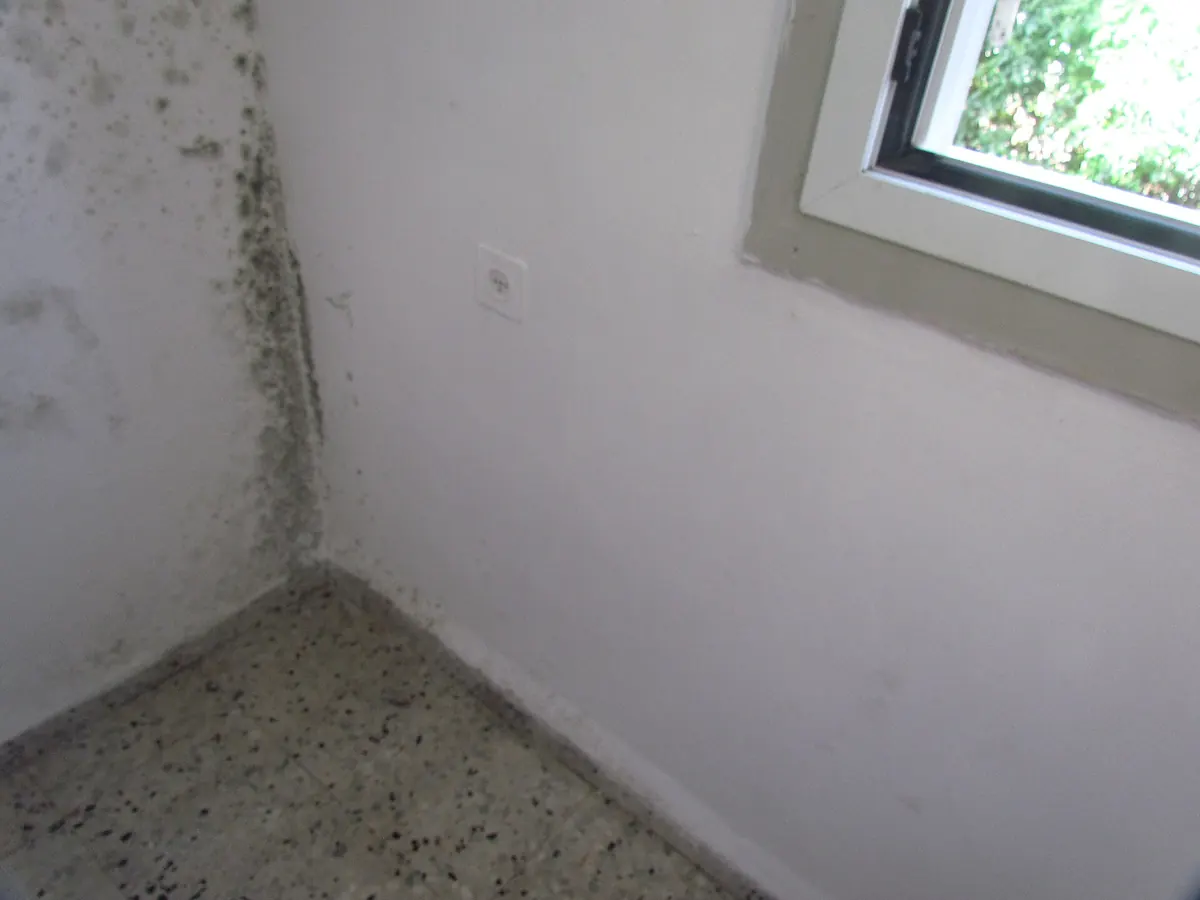
Mold Odor Removal Services in Rockaway
Mold odor cleanup addresses the damp materials and mold making your closets, belongings, floors and walls smell musty. An inspection locates that source ahead of removal.
Musty smell removal covers growth, carpet pad, drywall and cleanable surfaces. A basement smell or crawl space smell is traced to its source; odor alone cannot reveal how far mold extends.
Affected materials are the focus of your mold odor cleanup; fragrance alone cannot address their source. A written work scope sets out drying, access, disposal and cleaning of surfaces. Needed moisture repairs are listed separately.
- Odor and moisture source assessment
- Restricted opening of potentially affected wall cavities
- Affected carpet and drywall removal
- Cleaning belongings and surfaces that remain sound
- Drying and post-remediation verification
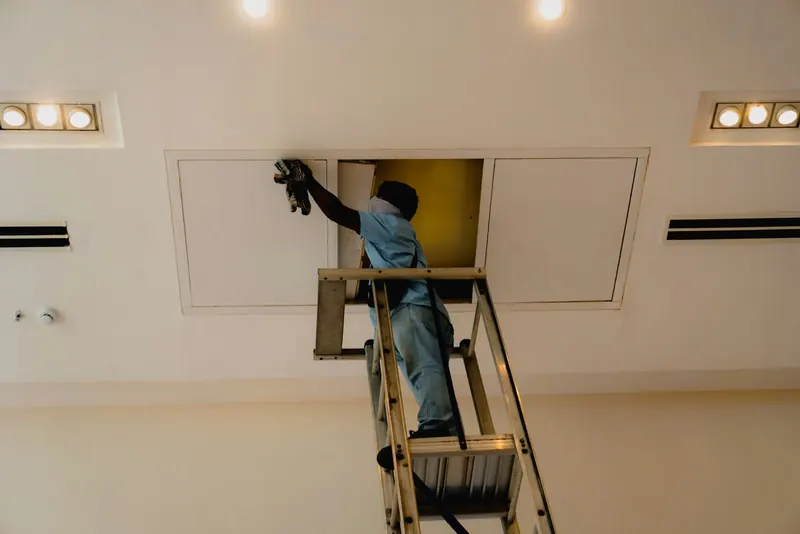
Mold Odor Removal in Rockaway: Signs to Notice
Dampness with a recurring musty smell is reason to have your space assessed.
Damp Smell After Rain
Rain makes your basement smell stronger and sometimes brings fresh stains.
Moldy Smell Near Damaged Flooring
You may find lingering dampness or mustiness in carpet, padding or nearby baseboards after water damage.
Odor Beside Visible Mold Growth
Your rooms have a lingering odor alongside spots, peeling paint or swelling wall finishes.
Musty Smell in Closet Corners
Your fabrics smell damp, or odor lingers behind stored belongings.
Mold Smell Returns After Cleaning
Dampness persists in your room, with mustiness lingering despite cleaning or fragrance.
How Mold Odor Removal Works Across Greater New York
Your process starts with the mold source, continues through cleanup and drying, then ends with checks.
Odor Assessment and Mold Inspection
Your musty-smelling rooms undergo inspection. A thermal imaging camera shows temperature variations, not mold; a moisture meter charts dampness.
Moisture Source and Cleanup Scope
Assessment covers your materials, leaks and condensation. Your scope sets out access, separate moisture repairs and mold remediation steps.
Containment and Particle Control
Poly sheeting creates the containment barrier. Particle spread during removal is limited with negative air pressure, a HEPA air filtration device and protective equipment.
Damaged Material Removal
Carpet pad and drywall beyond salvage go into bags within containment. Demolition of damaged materials matches the assessed extent; debris travels along a protected route.
Cleaning the Odor Source
Cleaning covers non-porous surfaces and sound wood. A HEPA vacuum removes particles, with antimicrobial treatment used as a cleaning supplement where appropriate.
Controlled Drying
A dehumidifier forms part of drying equipment, with air movers where appropriate. Moisture readings track drying as water problems are corrected.
Final Cleaning and Verification
Your remediation protocol sets the basis for checking cleaned surfaces and material dryness. Any specified clearance testing is performed by an independent assessor before containment comes down.
Containment Removal
Barrier removal follows the agreed checks for completion. Drying and verification precede replacement materials, and any lingering odor triggers additional assessment of the source.
Why Choose New York Mold Cleanup for Mold Odor Removal
Contained Work With HEPA Filtration
A HEPA air scrubber works with containment to restrict particles during disturbance of affected materials.
Clear Scope Before Work
An explanation of your cleanup needs, separate repairs and disposal precedes the work.
Calls Answered 24/7
Nights and weekends are included when you use one number to begin your metro-area odor assessment.
Removal Through Final Checks
Before barrier removal, damaged materials come out, sound surfaces receive cleaning and drying is checked.
Mold and Moisture Source First
Damp materials are traced during your assessment ahead of choosing odor treatment.
Mold Odor Cleanup in Morris County: Steps Before Work
Keep suspect materials as they are. Arrange an assessment by calling.
- Stop a leak if safe. If electrical equipment is close, avoid standing water.
- Leave wall cavities closed. Do not pull off trim or tear into suspect drywall.
- Avoid disturbing growth. Avoid sanding mold, brushing mold dry or directing fans toward mold.
- Pause suspect HVAC use. Under EPA guidance, equipment with suspected mold should remain off.
- Keep the affected area clear. Keep children and pets away from growth and damaged materials.
Mold Odor Removal Cost in Rockaway
The odor source, affected materials and access determine your cost. Fixr lists ranges for distinct tasks, so the cards cannot be totaled as a quote. Dry fog treats odor without completing remediation. The related national figures represent more extensive cleanup.
Air scrubbers and HEPA vacuums
$500 to $1,000 per jobSource: Fixr, Mold Remediation Cost (checked 2026-10-23)National Typical Range, Related Mold Remediation Averaging $3,500
$1,500 to $9,000 per jobSource: Fixr, Mold Remediation Cost (checked 2026-10-23)What Changes Your Musty Smell Removal Cost
- Separate moisture repairs and rebuilding
- Access behind walls or flooring
- Materials retaining musty odor
- Containment and equipment needs
- Size of the affected space
Understanding Your Odor Cleanup Price
These published national ranges are planning figures. Your on-site assessment defines the work and price before cleanup starts, including any separate source repairs or rebuilding.
Call (844) 352-3560 about costMold Odor Removal Service Area Across Greater New York
Call (844) 352-3560 to arrange cleanup in Rockaway or nearby communities. One number covers the metro.
Mold Odor Removal in Locations Near Rockaway
ZIP codes
Frequently Asked Questions About Mold Odor Removal in Rockaway
Can a musty smell return once cleanup is finished?
Damp materials or unresolved moisture problems can allow the odor to come back. Your cleanup addresses the source through removal, cleaning and drying. Your scope must list leak repairs and humidity corrections for either to be included. A returning smell prompts reassessment of remaining moisture and inaccessible areas.
Is mold testing necessary ahead of musty smell removal or afterward?
Visible mold often does not need air sampling under EPA guidance. When odor has no visible source, inspection and moisture checks guide further investigation. Final cleaning and drying are checked before containment comes down. Specified clearance testing is done by an independent assessor; federal rules set no limit for indoor mold levels.
What does moldy smell removal cost in Morris County?
Your cost reflects drying, containment, affected materials and the openings required for access. Separate nationwide ranges for equipment, odor treatment and broader remediation appear in the published cards. Source removal remains necessary even with fogging. Your separate repair costs and cleanup scope are identified during assessment ahead of the work.
During odor cleanup, can you remain in your home?
Keeping occupied rooms separated from work areas may allow you to stay home. The decision depends partly on common ventilation, household needs and the debris path. Assessment determines where you may enter before work gets underway. Temporary relocation is necessary for some jobs; reduced odor by itself cannot establish when a room is ready to reopen.
What is the timeframe for musty odor cleanup in Rockaway?
Scheduling reflects both the origin and extent of your damage. The work of cleaning reachable surfaces differs from removing carpet pad, opening walls and drying layers hidden inside. Drying duration depends on moisture readings. How long it takes to prepare your room for repairs or use also depends on separate leak repairs and agreed verification.
Which materials need to come out so you can get rid of mold smell?
Removal is limited to materials singled out during the assessment. Disposal may be needed for damaged drywall, ceiling tiles and moldy carpet pad because growth can penetrate porous layers. You may be able to clean and dry sound framing plus hard surfaces within reach. The amount of demolition your property requires cannot be based solely on odor intensity.
Is the moisture problem fixed during odor removal?
Your assessment traces moisture and identifies corrections needed alongside cleanup. Plumbing, roof and ventilation repairs are included only when listed in your scope. Separate repair needs are identified beforehand. Before new finishes cover cleaned cavities, drying and checks take place, keeping unresolved dampness relevant to the decision about completion.
Your New Jersey Mold Odor Cleanup and Insurance
Your moisture source, deductible, exclusions and mold coverage limits determine insurance coverage. The decision for investigation can differ from decisions for rebuilding or cleanup.
Mold Odor Cleanup Safety Across Greater New York
Particle spread is reduced through containment and controlled entry when your affected materials are disturbed.
Contaminated Water
Mold from sewage or contaminated water calls for professional help under EPA guidance.
Mold Color and Smell
A black mold smell cannot identify species; CDC says color does not tell you how risky mold is.
Hidden Mold Access
Your cleanup scope plans wall access because opening suspect walls may disperse mold spores.
Sensitive Occupants
According to CDC, some people can experience allergy and asthma symptoms triggered by mold.
Cleanup scope: EPA says areas under about 10 square feet can often be homeowner-cleaned. You need professional help when areas are larger or HVAC systems contain mold.
Mold-Affected Materials Cleaned or Removed in Morris County
Your materials are assessed for cleaning or disposal based on condition and access.
Non-porous surfaces
- Cleaning and drying cover intact tile, glass and metal, with backing assessed on its own.
Porous building materials
- Sound framing can sometimes be cleaned; disposal may be necessary for moldy drywall, ceiling tiles and carpet.
Stored belongings
- Fabrics and upholstery are assessed individually before cleaning or removal.
Mold Smell Removal Timing in Morris County
Your schedule depends on source access, material removal and drying progress.
- Access: Accessing a hidden cavity requires more work than cleaning a visible surface.
- Drying: Moisture readings determine when wet layers are ready for repairs.
- Completion: Source repairs and agreed verification affect when the work area reopens.
Cleanup to Help Keep Mold Odors From Returning in Rockaway
Correcting moisture and dealing with affected materials through cleaning or removal are necessary for your mold odor cleanup. If odors return, reassess the source that remains.
EPA recommends indoor relative humidity below 60 percent, ideally 30 to 50 percent. Humidity control does not replace leak repair.
Your New Jersey Mold Cleanup Requirements
Mold Work Requirements
New Jersey has no state certification program for companies that do mold work, according to the state Department of Health. Ask any contractor about their mold training and experience, and check whether your town or county has its own contractor rules.
EPA Guidelines for Drying
Prevent mold growth by drying water-damaged belongings and areas within 24 to 48 hours.
Repair Permits
Which permits are required depends on included building, plumbing or electrical repair work.
State Mold Information
The New Jersey Department of Health, Consumer, Environmental and Occupational Health Service, has a mold page and a Mold Advisory Bulletin for residents. The bulletin says to fix moisture problems and clean up mold, and that small areas under about 10 square feet may be handled by a homeowner.
State guidance: NJ Department of Health: Mold; NJ Department of Health: Mold Advisory Bulletin; NJ Seller's Property Condition Disclosure Statement (nj.gov)
Related Services and Next Steps
Start Your Mold Odor Removal in Rockaway
Call 24/7 to arrange your assessment. Your cleanup starts with the affected surfaces, moisture source and access to your home.